
Understanding valuation metrics, like price-to-earnings ratios, helps investors gauge what they’re paying for company earnings.

Historical Stock Market Valuations The S&P 500’s forward P/E is 22.4x (vs. 15.9x long-term average), above normal but below the tech bubble peak of 24.5x. The Shiller P/E of 38x also exceeds its historical average of 27x, pointing to elevated valuations. Large Cap Growth stocks trade at the highest P/E (28x) with 16.1% expected earnings […]
The Great Wealth Transfer: Key points to consider.

What is The Great Wealth Transfer? The Great Wealth Transfer refers to the expected shift of $84 trillion from the Silent Generation and Baby Boomers to younger generations over the next two decades, marking one of the largest wealth shifts in modern history. Key points to consider: Scale and complexity: Baby Boomers hold over $82 […]
What Bond Markets Are Telling Investors About Fed Rate Cuts

Lawmakers are once again struggling to pass a federal budget, raising the prospect of a government shutdown. While such events can disrupt government operations and workers, history shows they’ve had minimal lasting impact on financial markets. Market stability tends to persist because shutdowns are temporary and don’t alter underlying economic fundamentals. For long-term investors, maintaining focus on strategy rather than reacting to political drama remains the best course of action.
Understanding the Fed’s Rate Cut Cycles
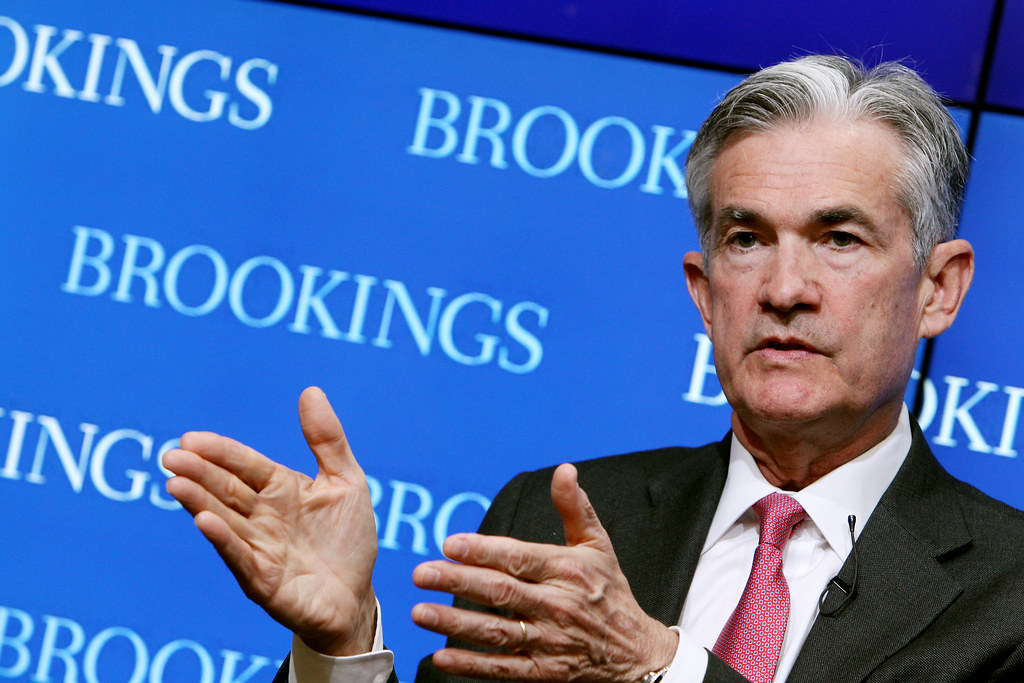
Understanding the Fed’s actions is essential for financial planning, as interest rates influence mortgages, bonds, and economic growth.
How the “One Big Beautiful Bill” will affect both your personal finances and your business.

The government just passed the “One Big Beautiful Bill”, and it’s packed with changes that will affect both your personal finances and your business. We’ve distilled the key takeaways into clear, actionable insights so you can stay ahead.
How is the Magnificent 7 impacting markets?

The Magnificent 7 stocks have returned 285% since 2020, far outpacing the S&P 500’s 91% gain and now make up about 35% of the index.
What does a weaker job market mean for the Fed?

The July jobs report showed weaker-than-expected growth, with only 73,000 new jobs added—well below the 104,000 forecast. May and June figures were also revised down sharply, bringing the 3-month average to just 35,000, far below historical norms.
What impacts are tariffs having on corporate profits?

With tariffs now at their highest level since 1911—average consumer rates reaching 20.2% (Yale Budget Lab)—many companies are absorbing costs rather than passing them to consumers, as stable spending data suggests.
How Social Security Fits Into Your Retirement Strategy

Social Security has been a key part of retirement planning for decades, but demographic shifts and financial pressures are putting its long-term sustainability at risk. While the program is unlikely to disappear, future benefits may be reduced, making it essential to plan for retirement with diversified savings and not rely solely on Social Security. Strategic timing, tax planning, and staying informed about policy changes can help ensure a more secure financial future.
What does the new August 1st tariff deadline mean for markets?

With President Trump’s reciprocal tariffs set to resume August 1, 2025, after the 90-day pause, investors are understandably watching closely.