Market Strategy

Construction worker in safety gear handling equipment on an active site.

What does a weaker job market mean for the Fed?

The July jobs report showed weaker-than-expected growth, with only 73,000 new jobs added—well below the 104,000 forecast. May and June figures were also revised down sharply, bringing the 3-month average to just 35,000, far below historical norms.

photo of cargo cru ship

What impacts are tariffs having on corporate profits?

With tariffs now at their highest level since 1911—average consumer rates reaching 20.2% (Yale Budget Lab)—many companies are absorbing costs rather than passing them to consumers, as stable spending data suggests.

a close up of a typewriter with a paper that says social security

How Social Security Fits Into Your Retirement Strategy

Social Security has been a key part of retirement planning for decades, but demographic shifts and financial pressures are putting its long-term sustainability at risk. While the program is unlikely to disappear, future benefits may be reduced, making it essential to plan for retirement with diversified savings and not rely solely on Social Security. Strategic timing, tax planning, and staying informed about policy changes can help ensure a more secure financial future.

gold-colored Bitcoin

Navigating Alternative Assets: Bitcoin, Commodities, and Precious Metals in Your Portfolio

Market volatility and headline-driven rallies in assets like Bitcoin, copper, and gold can tempt investors to chase short-term gains. However, history shows that lasting wealth is built through discipline, diversification, and a focus on long-term objectives. Evaluating alternative assets within a balanced portfolio, rather than as standalone bets, remains key to sustainable financial success.

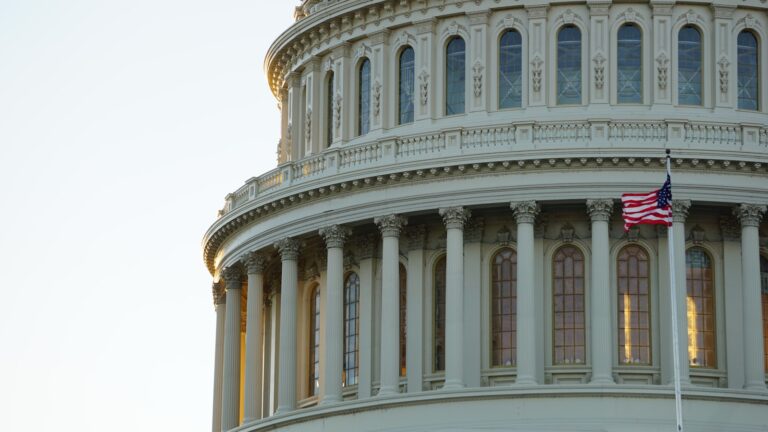
white concrete building during daytime

Understanding the Impact of the “One Big Beautiful Bill” on Investor Portfolios

Congress and President Trump have passed a sweeping tax and spending bill that permanently extends key provisions of the 2017 Tax Cuts and Jobs Act, including lower tax rates, higher standard deductions, and increased estate tax exemptions. While the legislation offers immediate tax benefits to individuals and businesses, it is projected to add $3.4 trillion to the national debt over the next decade. Investors should stay informed but focus on long-term financial planning rather than reacting to short-term policy changes.

a close up of a one dollar bill

Will the Dollar Lose Its Reserve Currency Status?

The U.S. dollar remains the world’s dominant reserve currency despite recent declines and mounting fiscal concerns, supported by deep markets and global trust. While shifts in currency dynamics are inevitable, diversification, not doomsday predictions, remain the wiser long-term focus.