
How have historical market rebounds taken shape?

The largest intra-year drawdown for the S&P 500 this year has been about 9% – while the factors driving this are unique, the fact that the market experiences pullbacks on a periodic basis is not. While the past is no guarantee of the future, understanding these patterns can help put this year’s market swings into […]
What Rising Gasoline Prices Mean for Consumers and the Economy

For most Americans, prices at the gas pump represent one of the most visible and immediate ways that geopolitical conflict in the Middle East touches their daily lives. Gasoline prices are prominently displayed and frequently updated, and fueling up at least once a week is a necessity for commuting, running errands, and managing daily routines. […]
Why did the Fed keep rates unchanged despite inflation risks?
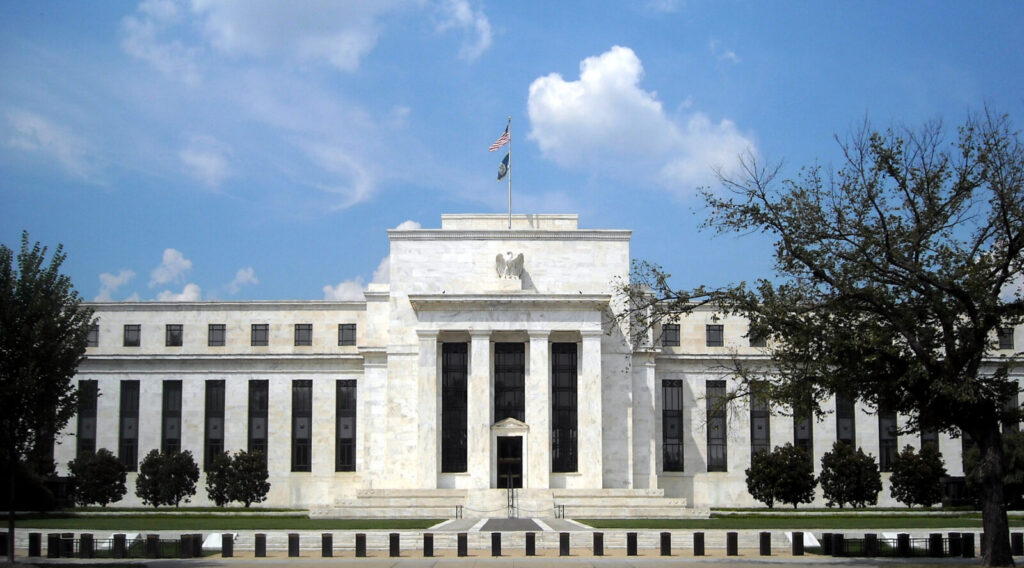
The Federal Reserve plays a central role in economic stability, and its rate decisions ripple across borrowing costs, investment returns, and growth. • At its March 2026 meeting, the Fed held rates steady at 3.5%–3.75%, threading the needle between stubborn inflation and a softening labor market. The most significant development since the last meeting is […]
What does a market pullback mean for my portfolio?

The S&P 500 has declined roughly 4% from its recent peak. While market swings can be unsettling, how we react to temporary pullbacks can significantly impact long-term success. A few key points to keep in mind: Pullbacks are normal. The S&P 500 has averaged 4.6 pullbacks of 5%+ per year since 1980, yet has delivered […]
Why does the latest jobs report present mixed signals?

January payrolls: 130,000 jobs added, beating expectations of 65,000; unemployment rate fell to 4.3%, still historically low. 2025 revisions: Full-year job growth revised down to 181,000 (≈15,000/month), highlighting a weaker labor market than initially reported. Data challenges: Large revisions reflect survey difficulties and low response rates, making the economic picture harder to assess. Labor market […]
What does the nomination of a new Fed chair mean for economy?

Fed leadership changes can create short-term uncertainty, but history shows markets and the economy tend to remain resilient. These are some key takeaways: President Trump announced plans to nominate Kevin Warsh as Fed Chair when Jerome Powell’s term ends in mid-May. Warsh is a former Fed governor and would require Senate confirmation. Legal matters involving […]
How does the dollar debasement trade affect gold, silver, and the Fed?

Precious metals have rallied sharply, with gold and silver reaching new highs, but they should be considered within a broader portfolio context. The “debasement trade” reflects concerns over a weaker U.S. dollar, lower interest rates, and inflation. Uncertainty is heightened by a new Fed chair in May and a Supreme Court case on presidential authority […]
Why are Greenland, tariffs, and Japanese yields creating market volatility?

Markets saw renewed volatility recently, with the S&P 500 down more than 2% on January 20 amid concerns around potential U.S. policy actions and broader trade tensions, following recent developments in Venezuela. These events have raised questions about whether additional geopolitical actions may follow. Japan’s bond market also experienced sharp moves, with yields rising to […]
Why did the job market cool considerably in 2025?

The latest Bureau of Labor Statistics report shows the U.S. job market cooled notably in 2025, with slower hiring, rising unemployment, and several months of job losses—the first since 2020. Even so, it’s important to maintain perspective, as other parts of the economy continue to show resilience. Key points: – Hiring slowed sharply: 2025 saw […]
How does Venezuela affect portfolios?

You’ve likely seen recent headlines about the arrest of Venezuelan President Nicolás Maduro by U.S. forces. While the geopolitical implications are significant, many investors are understandably asking what—if anything—this means for financial markets. History suggests that geopolitical shocks often create short-term volatility, but they rarely change the long-term direction of markets. As shown in the […]